Car Technology That Actually Makes Dubai Traffic More Bearable
Adaptive cruise control, 360° cameras, lane assistance, parking tech and other features, explained through real Dubai driving situations rather than spec sheets.
Dubai traffic has a way of turning a 15-minute drive into a genuine test of patience. Between Sheikh Zayed Road at peak hours, tight parking in busy areas, and the general unpredictability of city driving, it's easy to see why car technology aimed at reducing daily stress has become one of the most genuinely useful developments in modern SUVs. Not flashy features for the sake of it, but the kind that actually change how a daily commute feels.
Adaptive Cruise Control: The End of Constant Braking
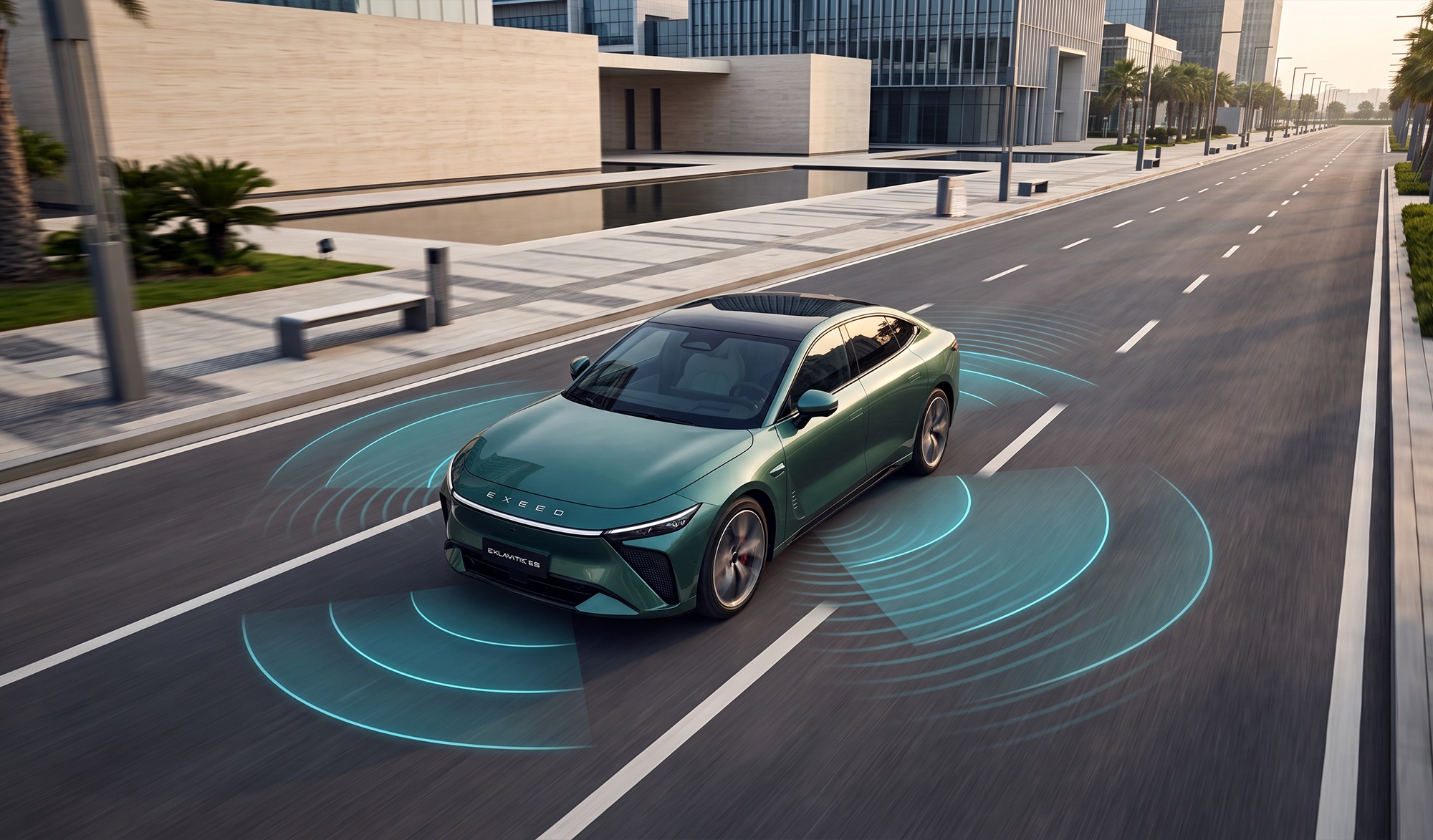
Stop-start traffic on Sheikh Zayed Road or Al Khaleej Road is one of the more mentally draining parts of daily driving in Dubai. Adaptive cruise control changes that experience meaningfully, automatically adjusting your speed to maintain a safe distance from the car ahead, accelerating and braking without you needing to constantly ride the pedals. On a long commute, the difference between actively managing every speed change and letting the system handle it is significant, both in terms of fatigue and in terms of how much attention you have left for everything else happening around you.
360-Degree Cameras: Solving the Parking Problem
Anyone who's tried to reverse into a tight spot at Dubai Mall or squeeze into street parking in Deira knows that mirrors alone don't always tell the full story. An SUV with 360 degree camera coverage stitches together a complete overhead view of the car, showing exactly how much space you have on every side. It removes the guesswork from tight parking situations and makes a genuinely stressful five minutes into something closer to routine. It's a feature worth experiencing firsthand rather than reading about, and something we'd recommend testing during an actual test drive in real Dubai parking conditions rather than a quiet demo lot.
Lane Assistance: A Second Set of Eyes in Heavy Traffic
Dubai's multi-lane highways move fast, and lane changes at speed require constant awareness, particularly during peak hours when several lanes are moving simultaneously. Lane keeping assist and blind spot monitoring work together to flag vehicles you might not see in your mirrors and gently correct drift if you start moving out of your lane without signalling. It's not about replacing driver attention, it's about backing it up during the moments attention naturally lapses.
Parking Technology That Actually Works in Real Spaces
Automated parking assist has moved well past the novelty stage. In dense areas with genuinely tight parking, whether that's older neighbourhoods in Deira or packed weekend parking at popular malls, systems that can identify a suitable space and handle the steering while you control the pedals turn a stressful situation into something considerably more manageable.
The Bigger Picture: Technology That Reduces Mental Load
What ties all of this together isn't any single feature, it's the cumulative effect of removing small, repetitive stressors from daily driving. Traffic in a city like Dubai isn't going away, but the mental effort required to navigate it can be meaningfully reduced when a car is doing more of the watching, calculating, and adjusting on your behalf. This is where genuinely useful automotive technology earns its place, not in specification sheets, but in how noticeably different a stressful commute feels with it working in the background.
Where This Comes Together
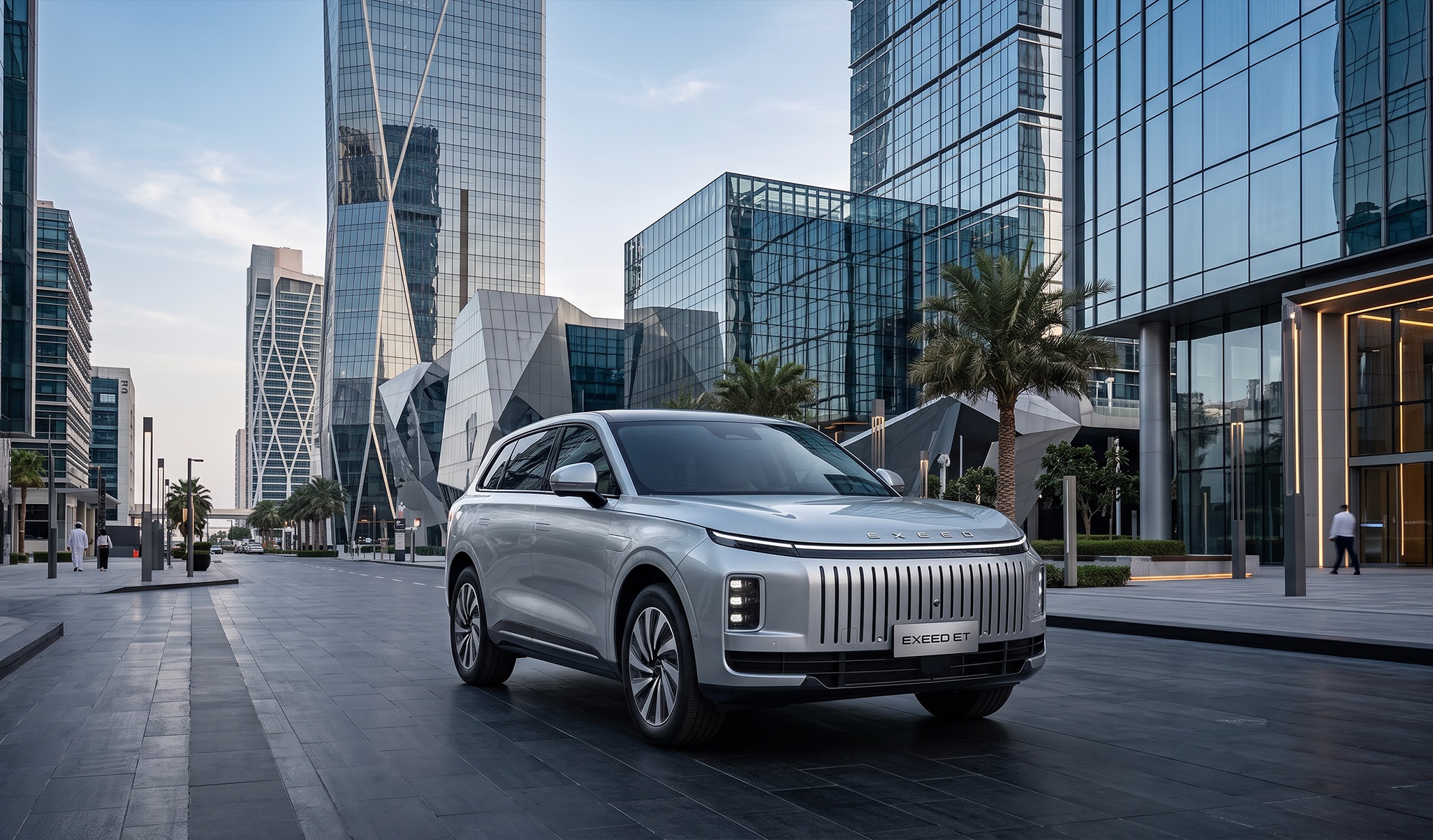
The EXEED ET brings this kind of real-world driver assistance technology together in a single package, built around the specific demands of dense city driving rather than as an abstract feature list. For anyone whose daily commute involves genuine Dubai traffic, the value of this kind of technology isn't theoretical, it's the difference between arriving tense and arriving relaxed.