Hybrid vs Electric: What Actually Makes Sense in the UAE?
An impartial guide based on commute length, charging access, and weekend driving habits — with REEV technology introduced as a practical middle path.
The conversation around UAE hybrid cars and fully electric models has moved well past whether the technology works. It clearly does. The real question most buyers are wrestling with now is simpler and more personal: which one actually fits how I live, drive, and use my car day to day. The answer depends less on ideology and more on three practical factors: how far you commute, how easily you can charge, and how you actually use your car on weekends.
Start With Your Commute, Not the Technology
Before comparing battery specs or engine types, it helps to look at your actual daily driving pattern. Someone commuting 20 to 30 kilometres within Dubai or Abu Dhabi has very different needs than someone regularly driving between emirates or making frequent trips to Al Ain or Ras Al Khaimah. Short, predictable city commutes tend to favour electric cars in UAE traffic conditions, where daily charging at home fits naturally into the routine. Longer or less predictable driving patterns, especially where charging access isn't guaranteed, often make a stronger case for hybrid.
Charging Access Is the Real Deciding Factor
This is where the UAE market differs meaningfully from more mature EV markets. Charging infrastructure has expanded significantly, but access still varies a great deal depending on where you live. Villa owners with the ability to install home charging have a fundamentally different ownership experience than apartment residents relying on public or building-shared charging points. Before deciding between hybrid and electric, it's worth being honest about your actual charging access, not the theoretical availability of public stations across the country.
Weekend Driving Habits Matter More Than People Expect
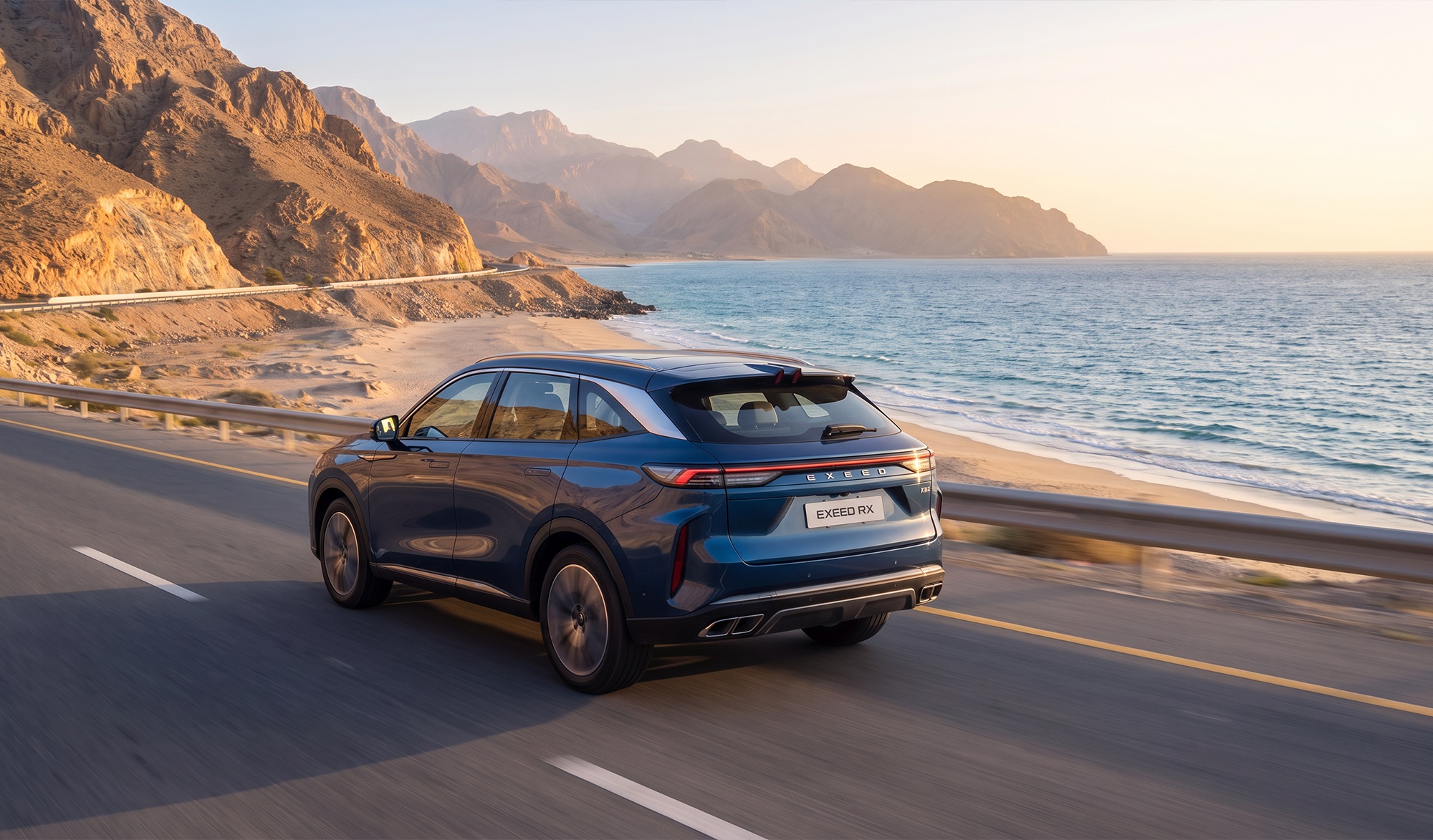
Weekday commuting is only half the picture. Weekend habits, road trips to Fujairah, desert drives, visits to family in other emirates, often reveal a different need than the daily commute suggests. A car that works perfectly for a short weekday commute can start to feel limiting on a spontaneous weekend trip if range or charging access becomes a planning exercise rather than an afterthought.
Where Hybrid Technology Fits In
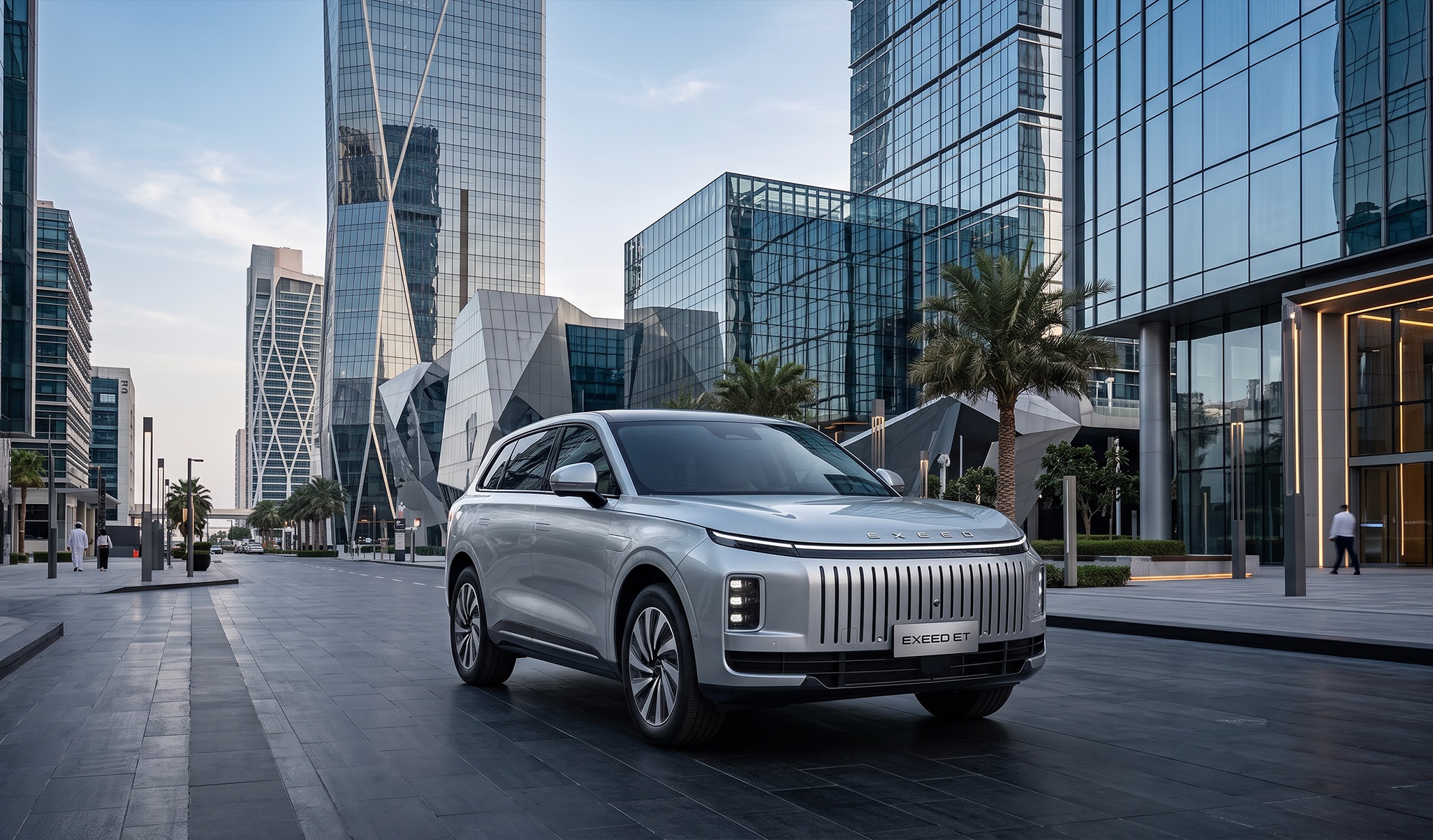
This is exactly the gap that REEV technology, Range Extended Electric Vehicle, was designed to close. A REEV vehicle drives on electric power, but carries a small onboard engine whose only job is recharging the battery when needed, rather than powering the wheels directly. In practice, this means drivers get the smooth, quiet, instant-torque experience of an electric vehicle for daily use, without the range anxiety that can come with committing to a fully electric vehicle before charging infrastructure fully matures. The EXEED ET is one of the clearer examples of this approach in the market today, built specifically around REEV rather than adapting it as an afterthought.
Ownership Costs Tell Their Own Story
Beyond the driving experience, cost of ownership plays a real role in this decision. Electric vehicles typically cost less to run day to day, with lower "fuel" costs and reduced maintenance from having fewer moving parts. Hybrid and REEV vehicles offer a middle ground, meaningful efficiency gains without asking owners to fully restructure how and where they charge.
Making the Decision That Fits, Not the One That's Trending
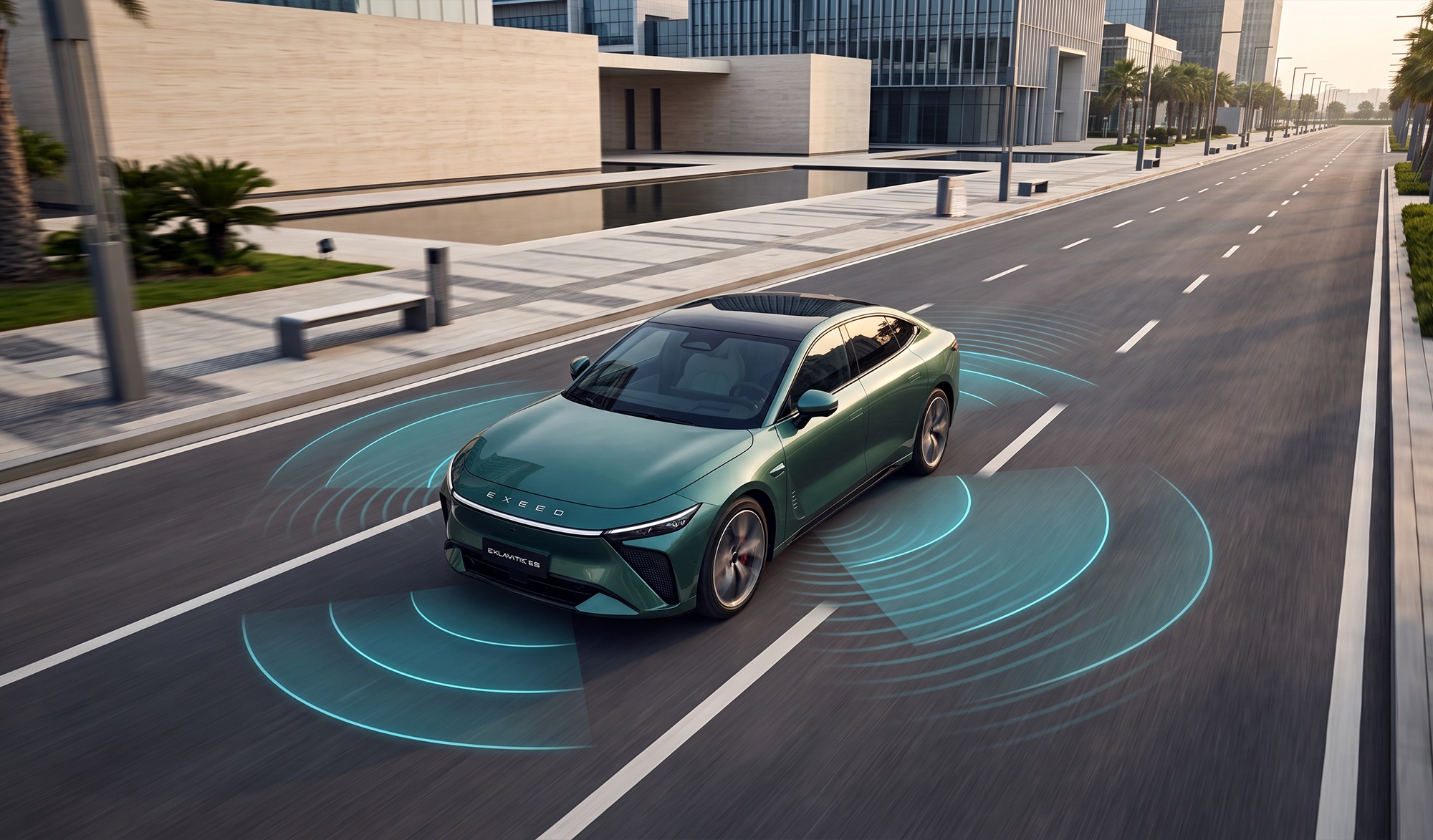
There's no universally correct answer between UAE hybrid cars and electric cars in UAE driving conditions. The right choice depends on where you live, how far you typically drive, and how much flexibility you need on any given weekend. For drivers who want the benefits of electric power without redesigning their routine around a charging schedule, models like the EXEED ES and the EXEED ET, both built on REEV technology, offer a practical middle path, one that reflects how people in the UAE actually drive, not just how the technology is marketed.